


|
|
Marine Automatic Identification Systems (AIS) for Ships at Sea |
|||||||||||||
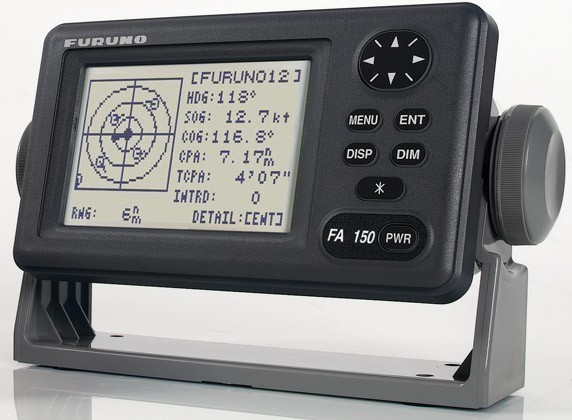
| The acronym "AIS" stands for Automatic Identification System. AIS was created to give vessel operators the ability to gather and distribute electronic navigational data information to other mariners, including those requiring navigational data from those who may be out of visual range and those who may have geographic obstructions in their navigational paths. There is a wide variety of pricing and feature differentiation when it comes to Marine AIS, as AIS falls into three distinct categories or types: "Class A" AIS, "Class B" AIS, and lastly, "Receive Only" AIS.
Rugged and reliable, AIS electronics are essential to proper navigation. We offer AIS systems from premier providers. |
|||||||||||||
Marine AIS - All Brands
All Products Index in Alphabetical Order |
 |
||||||||||||
|
|
|||||||||||||
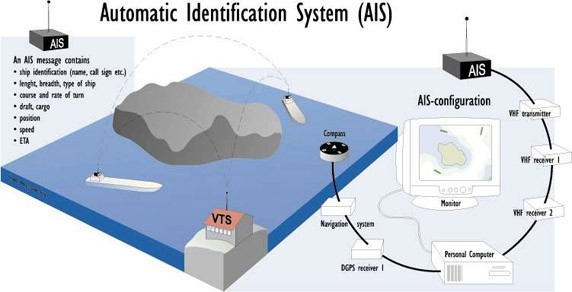
AIS - Automatic Identification System - Marine
Marine Automatic Identification Systems (AIS) for Ships at Sea
The acronym "AIS" stands for Automatic Identification System. AIS was created to give vessel operators the ability to gather and distribute electronic navigational data information to other mariners, including those requiring navigational data from those who may be out of visual range and those...
[Show More]
Contact us today for a free consultation!
AIS Accessories
Comnav AIS
Furuno AIS
Garmin AIS
ICOM Marine AIS
Marine GPS
Koden AIS
Raymarine AIS
Si-tex AIS
Simrad AIS
All Products Index in Alphabetical Order


