


|
|
Marine RADAR, Navigation RADAR, Black Box RADAR, PC RADAR |
||||||||||||
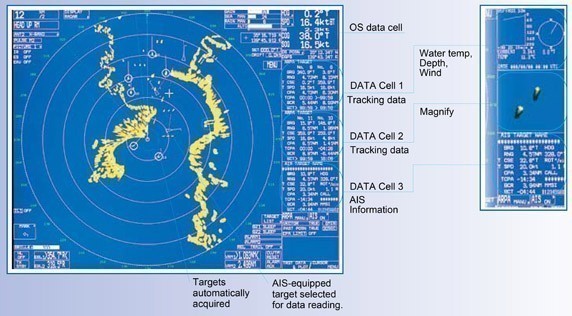
| Radar is a system that uses electromagnetic waves to identify the range, altitude, direction, or speed of both moving and fixed objects such as aircraft, ships, motor vehicles, weather formations, and terrain. The term RADAR was coined in 1941 as an acronym for Radio Detection and Ranging. The term has since entered the English language as a standard word, radar, losing the capitalization. Radar was originally called RDF (Radio Direction Finder) in the United Kingdom.
Rugged and reliable, RADAR is essential for your navigation needs. Without, you are blind at sea. We offer RADAR from the premier providers |
||||||||||||
Marine RADAR
All Products Index in Alphabetical Order |
 |
|||||||||||
|
|
||||||||||||
RADAR - Marine
Marine RADAR, Navigation RADAR, Black Box RADAR, PC RADAR
Radar is a system that uses electromagnetic waves to identify the range, altitude, direction, or speed of both moving and fixed objects such as aircraft, ships, motor vehicles, weather formations, and terrain. The term RADAR was coined in 1941 as an acronym for Radio Detection and Ranging. The term...
[Show More]
Contact us today for a free consultation!
B&G Radar
Furuno Radar
Garmin Radar
ICOM Marine Radar
JRC Marine Radar
Koden Radar
Raymarine Radar
Si-tex Radar
Simrad Radar
All Products Index in Alphabetical Order


