


VHF, Very High Frequency, VHF Mobile Two Way Radio (Fixed Mount) |
|||
| Very high frequency (VHF) is the radio frequency range from 30 MHz to 300 MHz. Frequencies immediately below VHF are denoted High frequency (HF), and the next higher frequencies are known as ultra high frequency (UHF). Common uses for VHF are FM radio broadcast, television broadcast, land mobile stations (emergency, business, and military), Amateur Radio, marine communications, air traffic control communications and air navigation systems (VOR in particular). VHF Mobile Radios are designed to be installed in fixed locations like vehicles, and are usually powered by that vehicle's electrical system. They are ideal for a wide variety of needs, from utility to first responders and security. PSI carries a range of VHF mobile radios from premier brands like Motorola, available in stock to suit your needs. For assistance and answers to any questions you may have, contact us today and a member of our knowledgeable staff will help! |
|||
VHF Mobile Two Way Radios
|
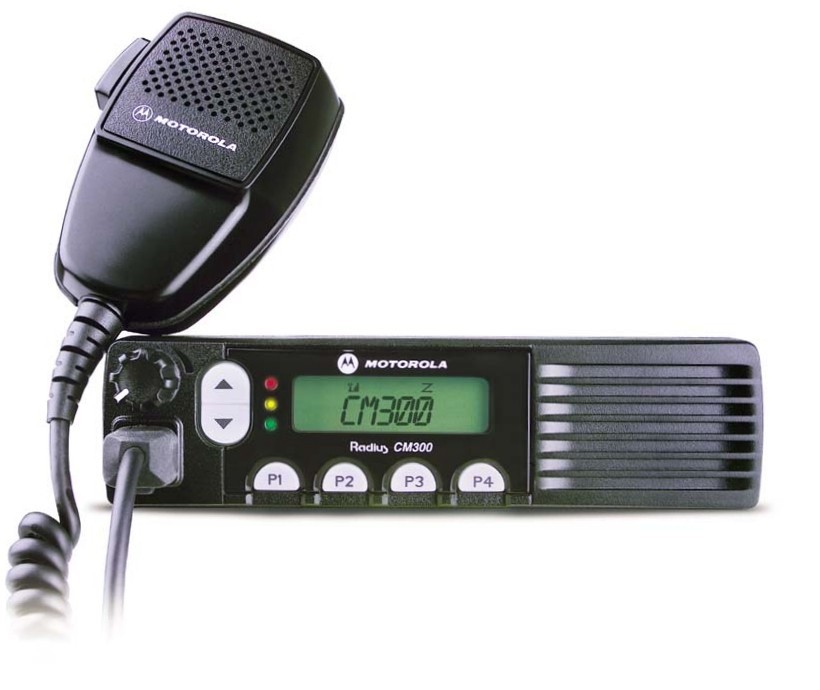
VHF Mobile Radios
VHF, Very High Frequency, VHF Mobile Two Way Radio (Fixed Mount)
Very high frequency (VHF) is the radio frequency range from 30 MHz to 300 MHz. Frequencies immediately below VHF are denoted High frequency (HF), and the next higher frequencies are known as ultra high frequency (UHF). Common uses for VHF are FM radio broadcast, television broadcast, land mobile stations (emergency, business, and military), Amateur Radio, marine...
[Show More]
Contact us today for a free consultation!
ICOM VHF Radios
Motorola MOTOTRBO VHF Radios
RELM Wireless VHF Radios
Vertex Standard VHF Radios
All Products Index in Alphabetical Order


